A New Gallery Celebrating India’s Indigenous and Folk Art Traditions
While modern Indian art has long celebrated its celebrated masters, the rich contributions of indigenous and folk artists have often remained outside the mainstream art world. Seeking to bring these traditional art forms and their practitioners into the spotlight, artist Tanisha Bakshi and her husband, NK Malhotra, have established Treasure of India, a new gallery and art foundation in Gurugram, dedicated to preserving and promoting India’s diverse artistic heritage.
The initiative aims to preserve the traditional legacy of Indian art and ensure that master artists receive the recognition, dignity and financial value their skills deserve. Through exhibitions, artist residencies and other cultural programmes, the foundation seeks to create meaningful opportunities for artists practising indigenous, tribal and traditional art forms across the country.
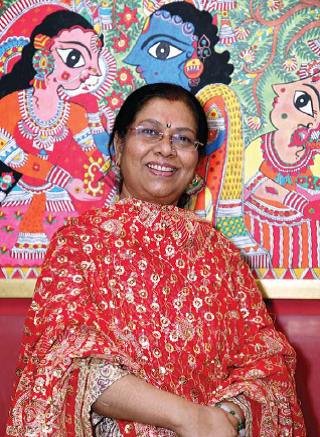
Coming from an artistic family, Tanisha Bakshi is the daughter of artist and noted art collector Ashok Samrat Bakshi. Her early exposure to India’s diverse art and craft traditions inspired her to create a platform that would support artists whose work has not received adequate recognition in contemporary art circles.
Treasure of India will host regular exhibitions and an artist residency programme. Selected artists from different parts of India will receive support and mentorship to develop their creative practices. Each residency will conclude with a dedicated exhibition, providing artists with an opportunity to present their work to a wider audience.
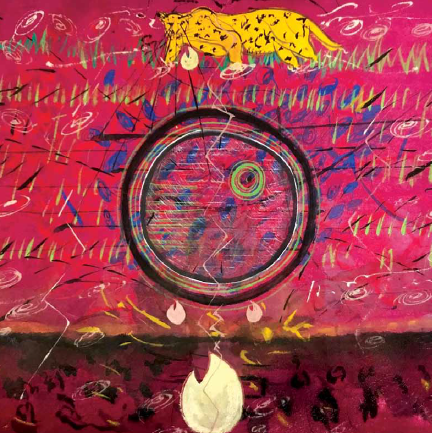
The gallery opened on 17 October with Navratna: Indigenous Masters, an exhibition curated by art historian and author Uma Nair. The exhibition brings together nine National Award-winning artists whose works represent the cultural richness, spiritual depth and living traditions of India. A significant part of the collection has been drawn from the personal collection of Tanisha’s father, Ashok Samrat Bakshi.
On view until 27 December, the exhibition presents a diverse range of traditional art practices, including Gond art from Madhya Pradesh, Dokra metal craft from central India, Sohrai art from Jharkhand, Pattachitra from Odisha, Kalighat paintings from West Bengal, and Pichwai and miniature paintings from Rajasthan.
Among the highlights is a specially created Dokra metalcraft lamp inspired by traditional ceremonial lamps used during festivals and important occasions. Created by National Award-winning artists Baldev Waghmare from Madhya Pradesh and Hirabai Jhareka Baghel from Chhattisgarh, the work features a beautifully crafted peacock perched atop an elongated stand adorned with intricate designs.
The exhibition also showcases the distinctive visual language of Gond art through the works of master artist Nankusia Shyam, wife of the legendary Jangarh Singh Shyam, who played a significant role in bringing the Jangarh Kalam style to wider recognition. Her paintings of cows and elephants reflect the imaginative forms and close relationship with nature that define this artistic tradition.
Putli Ganju from Bihar presents the spiritual and expressive qualities of Sohrai art through paintings inspired by traditional tribal wall murals. Pattachitra artists Niranjan Maharana and Akshaya Kumar Bariki bring mythological narratives to life through their detailed scroll paintings. Putul Chitrakar represents the Kalighat tradition of Bengal with bold lines and compositions exploring socio-cultural themes.
The devotional tradition of Rajasthan finds expression in the intricate Pichwai paintings of Leelakamt Pareek, while Sudarshan Pareek showcases the refined brushwork and courtly aesthetics of Rajasthani miniature painting.
Beyond its inaugural exhibition, Treasure of India has a broader vision of creating sustained opportunities for traditional and indigenous artists. The foundation plans to organise solo exhibitions featuring master artisans working in different folk and tribal traditions, allowing their individual practices and artistic contributions to receive greater visibility.
Another important initiative will focus on women indigenous artists, with a dedicated exhibition celebrating their storytelling traditions, creative resilience and contribution to India’s folk and tribal heritage. With its emphasis on preservation, recognition and artist development, Treasure of India seeks to establish a meaningful platform for India’s traditional art communities. Through its exhibitions and residency programmes, the gallery aims to connect these enduring artistic traditions with contemporary audiences while ensuring that the knowledge and skills passed down through generations continue to flourish.