Vivartan at NGMA Kolkata brings together over 125 artists.
The National Gallery of Modern Art (NGMA), Kolkata, hosted Vivartan: Fragments of Tradition and Continuity, a significant exhibition that highlighted the richness and diversity of Bengal’s contemporary visual art scene. Held at Old Currency Building, the exhibition emerged as a noteworthy cultural event, drawing artists, scholars, students and art enthusiasts.
The exhibition was inaugurated on April 22, 2026 by Dr Sanjeev Kishor Goutam, Director General of NGMA, along with Amrita Prasad Sarabhai, Additional Secretary, Ministry of Culture. Bringing together more than 125 artists from different parts of Bengal, Vivartan presented an impressive spectrum, ranging from traditional and academic approaches to contemporary, conceptual and environmentally inspired works. The show was to come to an end on June 30, 2026 but it was extended.
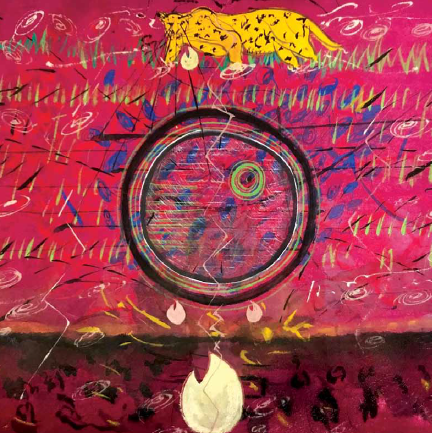
Curated around the theme of continuity and transformation, Vivartan was thoughtfully organized into several thematic sections, including Vande Mataram, Echoes of Divine and Folk, Unfolding Womanhood, Mind Unveiled, Evolving Horizons, and City Life.
Each segment explored distinct narratives while collectively reflecting the changing realities, cultural memories and creative aspirations of contemporary society.
One of the exhibition’s greatest strengths was in its balanced presentation of artistic voices.
Alongside works by established artists were contributions from emerging practitioners, creating a dialogue between experience and experimentation. The display successfully accommodated a variety of styles and approaches without overwhelming the viewer.
Visitors were particularly drawn to works that incorporated technology and new media. Video art, fibre-based installations, stone sculptures and mixed-media creations stood alongside paintings and graphic works, demonstrating the expanding possibilities of artistic expression.
Adding further depth to the exhibition was a dedicated section featuring post-Independence artworks, offering valuable historical context and allowing audiences to trace the evolution of artistic practices in Bengal and beyond.